Magazine storage boxes with lids are easy to use and organize magazines, catalogs, newspapers and other paper documents. They can help to minimize clutter, and yet, organize reading materials together. The right box can also help with easy labelling, stacking, storage and access to magazines without any damage to magazines’ pages or covers.
A designated space to store magazines can make a difference if they are stacked on shelves, desks or in drawers. Storage boxes are available in a variety of materials, sizes and styles. Deciding on one will depend on the number of magazines you have, where you will store them and how frequently you will use them
What Are Magazine Storage Boxes With Lids?
Magazine storage boxes with lids are storage boxes that are made for storage of magazines in an enclosed area. The lid prevents dust from entering and protects the paper from normal human use.
The majority of boxes are made of cardboard, plastic, fabric or a mixture of these. There are some that are designed for vertical storage. Others are more suitable for horizontal stacking.
A good magazine storage box should be spacious enough to accommodate magazines without them being bent or sloping. Also, it needs to be portable and easily labeled.
Magazine Storage Boxes At A Glance
| Feature | Common Option | Best For |
| Material | Cardboard | Home and office storage |
| Material | Plastic | Long-term storage and moisture resistance |
| Material | Fabric | Shelves and living spaces |
| Capacity | 10–20 magazines | Small collections |
| Capacity | 20–40 magazines | Regular home collections |
| Lid type | Lift-off lid | Easy access |
| Lid type | Hinged lid | Frequent use |
| Storage position | Vertical | Quick browsing |
| Storage position | Horizontal | Stacking and compact storage |
| Label area | Front or side | Organized collections |
| Stackable design | Reinforced boxes | Limited shelf space |
The following examples are there to help you find the best format before purchasing. The capacity will depend on magazine size and thickness.

Why Use Magazine Storage Boxes?
Magazines are easily collectible. They’re also hard to keep track of.
A storage box provides a designated space for them. Rather than having multiple issues in multiple rooms, you may categorize issues by subject, year, publisher, or frequency.
1. Reduce Clutter
An open magazine can easily consume a coffee table, shelf or desk. They have a home they can count on, thanks to a storage box!
This is particularly helpful if you have magazines for reference or collect particular magazines.
2. Protect Paper Materials
Over time, paper may become worn through from dust and frequent handling. A lid on the container gives additional security.
If you have a valuable or older magazine, think about storage besides the box. A cool, dry, stable environment is most advantageous for many types of paper.
3. Make Collections Easier to Find
It can help to save time to label each box. For instance, you could label some of the things as:
- 2024 Lifestyle Magazines
- Travel Magazines
- Design Publications
- Business and Finance
- Home and Garden
- Special Editions
An unambiguous labelling system transforms a collection into a well organized archive.
4. Save Shelf Space
There are some magazine storage boxes that can be stacked. This is helpful if you don’t have a lot of space on your shelves.
First determine if material and construction are capable of holding the stack if multiple boxes are to be stacked. Weaker boxes will bend or collapse when overloaded.
Choosing The Right Magazine Storage Boxes With Lids
Not all storage boxes are created equal, and the right type of storage box for a collection depends on the collection type. Take these into account when buying a product.
Size and Capacity
First measure your magazines.
Magazines can be of different sizes in height, width and thickness. If the publication is too large, it will require a larger container.
Avoid selecting a box because of the advertised box size. Fewer thick issues can be put in a box that holds 30 thin issues.
Clear sufficient space to pull magazines out without exerting undue effort.
Material
The material has impacts on protection, durability, appearance and weight.
Cardboard boxes are lightweight and can be cheap. They are great for home organization.
Plastic storage boxes are sturdy and hygienic. They can be helpful for longer-term storage, especially when there is a risk of dust.
Fabric boxes use fabric and are lightweight, and they’re usually made to be placed on open shelves. They can be effective for collections that are accessed frequently.
When selecting storage materials for important or collectible magazines, do not simply consider how they look, but also how they are suitable for archival use.
Lid Design
The lid should fit tightly, but not make the box hard to open.
Use a loose lid that will not be so effective in dustproofing. If you read your magazines frequently, a tight lid can start to be cumbersome.
Think about the frequency of use of the material. Often accessed – simply open. A more secure closure may be preferred if it is to be stored for a long period.
Handles
Handles can increase the ease with which a full box can be moved.
It’s important if you’re going to place magazines on high shelves, under a bed or in a closet. A box of paper can be rather heavy.
Ensure that handles are supported and sturdied for the intended use.
Stackability
Stackable magazine organizers make better use of the vertical space.
If you stack one box on top of the other, you should look out for reinforced corners and a sturdy top surface. Place heavier boxes on the bottom of the stack.
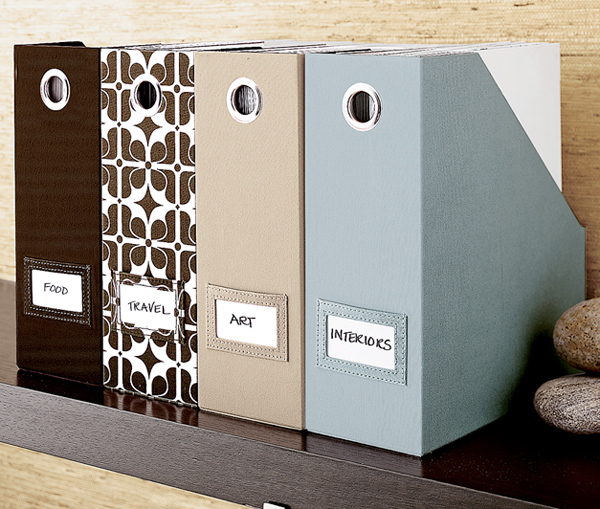
How To Organize Magazines In Storage Boxes
The most effective way to store is to store the best you can. A complex system can appear to be nice to the eye but hard to control.
Begin by dividing your magazines into general groups.
They can be sorted in any of the following ways:
- Publication
- Year
- Topic
- Frequency of use
- Value or importance
For instance, the current magazines can remain in the readily available box. Older issues can be transferred to labeled long term storage.
Don’t overexert magazines. Issues should be easily taken off without bending over the cover or spine.
Read Also: Peter Orszag Hair: Hairstyle, Hairline, Wig Rumors, And What The Facts Reveal
Should Magazines Be Stored Vertically Or Horizontally?
Both techniques can be effective. The best answer is the magazine and the storage box.
Magazines that you use frequently are best stored vertically. It enables easy browsing of the collection and removal of individual issues.
For stacking and long-term organization, horizontal storage is good. Don’t make extremely deep stacks, however, that put excessive strain on lower magazines.
For magazines that tend to fall over when stacked vertically, use a box that is the right size, or an internal magazine divider.
Magazine Storage For Long-Term Preservation
However, if your magazines hold historical, sentimental, or collectible value, basic home storage might not suffice.
Avoid direct sunlight. Do not locate in damp areas (basements, or those with changing temperatures).
Valuable paper collections might be stored with acid-free or archival storage products. If something is especially significant, try archival sleeves or other preservation items for paper items.
Don’t place magazines right against a wet wall or against a wet or leaky spot.
Common Mistakes To Avoid
The most frequent mistakes made by students taking the test.
Overfilling the Box
It is hard to take magazines out of an over-filled container. Can also exert pressure on covers and spines.
Using the Wrong Size
If the box is too big, magazines can move around. If it’s too small, it could bend them.
Ignoring Moisture
A lidded box is not necessarily hygroscopic proof for paper. Keep boxes in an indoor dry environment.
Skipping Labels
As the collection grows unlabelled, locating information becomes challenging. The problem can be addressed with a simple front or side label.
Creating Overly Heavy Stacks
Paper is heavy. An assortment of complete boxes can weigh down shelves. Before stacking more containers on the shelf, be sure to check the load capacity of the shelf.
Where To Store Magazine Boxes
The best place will depend on your frequency of use of magazines.
Place boxes on a shelf or cabinet for easy reading.
Older collections can be kept in a closet if the space is dry and temperature is controlled.
Under-bed storage can save space but might not be the most convenient for easy access.
Do not expose to direct sun, high humidity, water exposure or extreme temperature changes.

Are Lidded Magazine Boxes Worth It?
If you have a lot of magazines to store, you can use a storage box with a lid to get organized. It helps to create a defined space to save the items, and to prevent dust and clutter.
The key components to consider are size, material, lid design, capacity and storage location. For common problems, a simple cardboard box could suffice. For longer periods of time, archival or plastic containers might be a better choice.
It’s not just about storing magazines in a box. It’s to establish a mechanism to ensure their accessibility and maintenance.
Final Thoughts
Magazine storage boxes with lids are useful for managing the clutter of paper and organizing collections. The right box should fit your magazines perfectly, match your storage space and be appropriate to how often you use the magazines.
Size, capacity, durability and easy accessibility are key for everyday organization. If the magazine is valuable or older, make sure to pay more attention to storage conditions and archival materials.
A simple system can greatly help to keep a big collection under control. Organize magazines, select the proper sized boxes, label for each box and keep in a cool dry area.
Next action: make a docx file here in this chat to downloadable and have the above prose in it and be editable.
FAQs:
What size box is best for magazines?
The best size depends on the dimensions and number of magazines you own. Measure the largest magazine in your collection and choose a box that provides enough room for easy removal without excessive empty space.
How many magazines fit in a storage box?
A typical magazine storage box may hold around 10 to 40 magazines, depending on the box dimensions and magazine thickness. Always check the manufacturer’s stated capacity before purchasing.
Are plastic boxes good for storing magazines?
Plastic boxes can be useful because they are durable and easy to clean. However, magazines should be stored in a dry environment, and valuable paper collections may require materials specifically designed for archival preservation.
Can you stack magazine storage boxes?
Yes. Many magazine storage boxes are designed for stacking. Use sturdy boxes and avoid creating tall or unstable stacks. Put heavier boxes at the bottom.
How do you keep magazines from bending in a storage box?
Choose a box that fits the magazines properly. Do not overfill it or leave excessive empty space. Vertical storage can also benefit from dividers that prevent magazines from leaning.
What is the best way to label magazine storage boxes?
Use short labels that describe the contents clearly. You can organize them by publication, year, topic, or collection type. Place the label where it can be read without moving the box.