Quartz and granite are two common materials used for kitchen and bathroom countertops; there is a difference between them in terms of composition, appearance, maintenance and performance. Quartz countertops are fabricated from natural quartz material, resins and pigments and granite countertops are natural stone to be cut from slabs quarried from the granite. The two materials differ in their appearance and maintenance, quartz has a more uniform look and less requires upkeep while granite has a more natural pattern and is very heat resistant. It will come down to your budget, design, maintenance, and how you will use your countertop.
Selecting a countertop is one of the decisions that can impact the kitchen for years to come. Quartz and granite are two of the most popular choices. Both are long-lasting, stylish and come in a wide variety of colors and patterns. They are not identical, however.
The primary difference is the source they are from. Granite is a natural stone that is created from the deep within the earth. Quartz countertops are manufactured items that have a high proportion of natural quartz and resins and other materials.
Thus, which one is superior?
It’s a fact that there is no single way for each home. The distinction between quartz and granite can help you select a countertop that suits your lifestyle, design and budget.
What Is The Difference Between Quartz And Granite?
The clear difference between quartz and granite is that granite is natural stone and quartz countertops are manufactured.
The granite is extracted from large chunks of natural stone. The blocks are cut in slabs and afterwards polished before they are put into houses. Granite is a naturally occurring rock, and each slab will have a unique combination of colors, mineral deposits and patterns.
Quartz countertops are created with crushed natural quartz mixed with resins, pigments and other materials. Slabs are made under controlled conditions to form the mixture. This manufacturing process creates a more uniform look of quartz.
Let’s do a quick comparison:
- Granite is a natural stone, quartz is an engineered stone.
- Granite – natural variations in appearance; quartz – more predictable patterns.
- Maintenance: Quartz is typically more easily maintained.
- Heat resistance: Granite has an advantage with very high temperatures.
- Stain resistance: Quartz is very difficult to stain, and granite typically must be sealed.
- Scratch resistant: Both are tough and resistant to everyday scratches.
- Repairs: Damage can be difficult to repair invisibly on both materials.
- Design options: Granite has more unique, natural patterns, while quartz will be more consistent.
These differences can hold significance when determining the type of countertop needed in the kitchen.
Quartz Countertops: Benefits And Drawbacks
Quartz Counters have become a popular choice for contemporary kitchens and bathrooms. The primary draw of their use is that they are durable, easy to care for and can be designed flexibly.
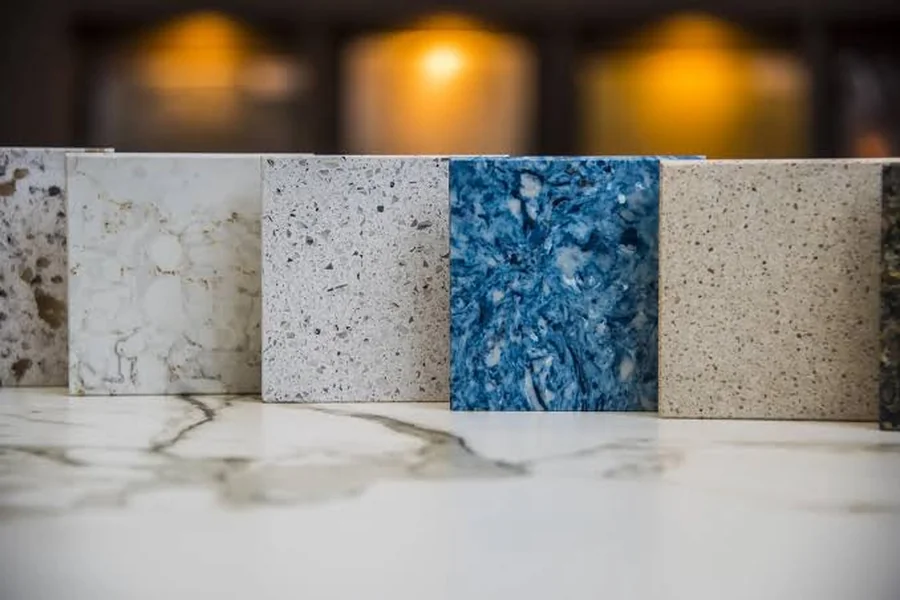
Quartz is made in a factory, so homeowners can select from myriad colors and patterns. There are certain quartz styles that are very similar to marble or natural stones. Others have colors that are simple and uniform and can be used in modern kitchens.
One of the major advantages of quartz is its stain resistance. Surface has a low porosity, meaning liquids will not easily penetrate through it. This is where quartz becomes useful in a busy kitchen, where spills are common.
Quartz is also fairly easy to clean. A soft cloth or sponge is often sufficient for everyday mishaps, and a mild soap and water solution will remove most stains.
Advantages of quartz countertops
- Low-maintenance surface
- Excellent resistance to stains.
- Nonporous construction
- A variety of hues and effects.Extensive color palette and patterns.
- Each slab appears the same.Slabs are consistent in appearance.
- No regular sealing under normal use condition
- Excellent resistance to scratching and wear and tear.
- However, quartz is not completely resistant to damage.
This could be a problem in high heat. A hot pan or baking tray can be placed directly on a quartz countertop, but this could cause damage to the resin that is used in the surface of the countertop. Use of trivets or heat resistant pads is preferable.
Additionally, quartz may cost more than certain granite models can. The cost varies depending on the brand, slab design, thickness, edge profile, installation, and labor rates in the area.
Other factors to take into account are aesthetics. Granite is a natural material that has some variations some people like in their homes. Quartz is not as natural if you’re looking for a countertop with a natural mineral movement in each area.
Granite Countertops: Benefits And Drawbacks
Granite is a very popular material for countertops, and has been used for them for decades. Though it is popular for its natural look and strength, it has other uses.
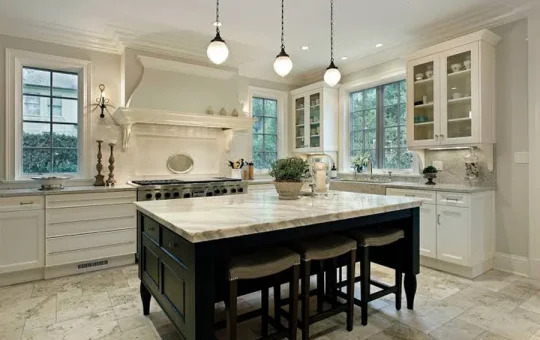
Granite is a unique material and each of the pieces is unique. Variations in color, veining, speckles and movement are the result of natural minerals. That translates to a countertop appearance that isn’t easily replicated in an engineered material.
Granite is also very durable. Granite counter tops, if installed and maintained properly, can last for many years. Good general use in the kitchen and heat resistant.
Another advantage is granite can contribute a natural look into a kitchen. Works great with traditional, transitional, farmhouse and contemporary styles.
Granite countertops offer numerous benefits.Granite countertops have several advantages.
Advantages of granite countertops
- Excellent durability
- Resilient to hot conditions.
- A variety of natural shades.
- Long service life
- Can use natural materials to enhance a kitchen
- In some instances can be refinished or polished by professionals.
The main drawback is maintenance.
Granite can be porous to various extents, depending on the type of granite. It is usually sealed to help protect the surface from moisture and stains. Resealing is recommended every 2 to 3 years, depending on the granite, sealer and usage.
Granite also needs some care when being cleaned. Strong or very acidic cleaners may harm the stone or its protective seal. Mild stone-safe cleaners are a better choice.
There may also be great differences between samples of granite. A small sample will not necessarily reflect the appearance of a whole slab. It can therefore be advantageous to see the slab before committing to a purchase.
Quartz vs Granite: Which Is More Durable?
Granite and quartz are two countertop materials that are not only durable, but also resistant. Either will last for years of regular use in most homes.
The right one will depend on the level of durability you require.
Granite is very resistant to heat. This can be a significant benefit if you regularly switch hot materials from place to place in the kitchen. However it is still a good habit to use a trivet.
It is scratch resistant, stain resistant, and the only drawback of quartz is that it can’t handle heat. The resin content has the drawback of being able to be damaged with prolonged exposure to extreme heat.
In the case of everyday spills, quartz is actually a benefit as the non porous surface resists liquids from seeping in. Granite can also be excellent, especially if it is meticulously sealed and up-kept.
Both materials are not indestructible. Chips or cracks are possible due to heavy impact, particularly in the sink cut out, corners or edges. This is because installation is as crucial as the material itself.
When making your everyday durability decision, take into account:
Choose quartz if you want:
- Easy daily maintenance
- Strong stain resistance
- A consistent surface
- Less concern about sealing
Choose granite if you want:
- Natural stone
- Excellent heat resistance
- Unique patterns
- A countertop with natural variation
Maintenance, Cost, And Appearance Compared
One of the most obvious differences between quartz countertops and granite countertops is the difference in maintenance.
Quartz is typically low maintenance. Typical maintenance does not involve sealing since it is not porous. Most household spillages can be cleaned using mild soap and water.
Granite needs more care. Sealing decreases the likelihood of staining and absorbing moisture. The granite surface can be very useful and versatile, but needs a bit more maintenance over time.
Comparing the cost is more difficult as the price varies depending on the products and location. The final price can vary with installation, slab thickness, edge treatments, sink cutouts and the complexity of the kitchen.
When buying quartz or granite, don’t consider the cost per square foot alone. Request an extensive installed quote to compare the final cost of the job.
The look is also a very important factor.
Granite brings you the natural variation. There may be dramatic veins, small mineral deposits, subtle speckles or changes of color throughout the slab. There are no two slabs that are the same.
Quartz provides more control over how it looks. Quartz may simplify the selection process if you’re looking for a consistent white countertop, a concrete-inspired design, or a marble-like pattern that moves in a predictable manner.
The price of the material is not universally dictated, and one does not necessarily appear to be more costly than the other. A good design of quartz can be elegant, and a well-chosen granite slab can be the eye-catching focal point for a kitchen. The selection depends on the cabinets, floors, backsplash, lighting and design.
Quartz Or Granite: Which Countertop Should You Choose?
The ideal countertop is one which fits your kitchen and what you value the most.
Quartz is a popular surfacing material for low maintenance, easy-to-clean surfaces, particularly for everyday spills. It is particularly convenient for those who don’t want to spend hours cleaning up after their meals.
Should wood or stone appeal to you and you want each slab to be unique, granite might be a better choice. It is also a good option when heat resistance is of concern.
Consider these questions when making your decision:
- How often do you want to have to maintain your counters?
- Would you like a natural stone or engineered surface?
- Is a consistent pattern important to you?
- Are you a person who puts things on the counter after cooking that are hot?
- How important is stain resistance?
- Which color would you like for your countertops and backsplash with your cabinets?
- How much of the total installed budget do you have?
- May you see the actual slab before buying?
Another good option is to visit a countertop showroom and look at full slabs instead of samples. Lighting can alter the appearance of a surface and natural stone can come in a lot of different variations as opposed to what one might expect to see in a sample.
When remodeling a kitchen, don’t just think about the countertop when designing your space, think about designing your space first, then selecting the countertop. The color of the cabinets, flooring, backsplash, hardware, lighting and many other elements can impact the way the countertop looks.
Final Thoughts
Both quartz and granite countertops are great options when it comes to quartz vs granite countertops, but they cater to different requirements.
For homeowners seeking a low-maintenance, stain-resistant countertop that looks the same from one day to the next, quartz is a hands-down choice. It has a lot of design options and doesn’t need frequent sealing.
Granite is the best option for individuals who value natural stone, interesting patterns, and high thermal resistance. Requires more upkeep, but with proper care can be kept looking good for many years.
Ultimately, the better countertop isn’t necessarily the one that has the most attributes. That is the one that will work for your kitchen, lifestyle, design and maintenance needs.
If you’re looking for easy care and consistency, then opt for quartz. But if it is natural beauty, individuality and heat resistance that are more important, granite might be more suitable.